

 Home
Home
Moisture issues in your home can be unsettling. For homeowners across the Lower Mainland, wet and humid conditions often make it difficult to determine whether you are dealing with a roof leak or indoor condensation. Understanding the difference is crucial for effective maintenance and the long-term protection of your property.
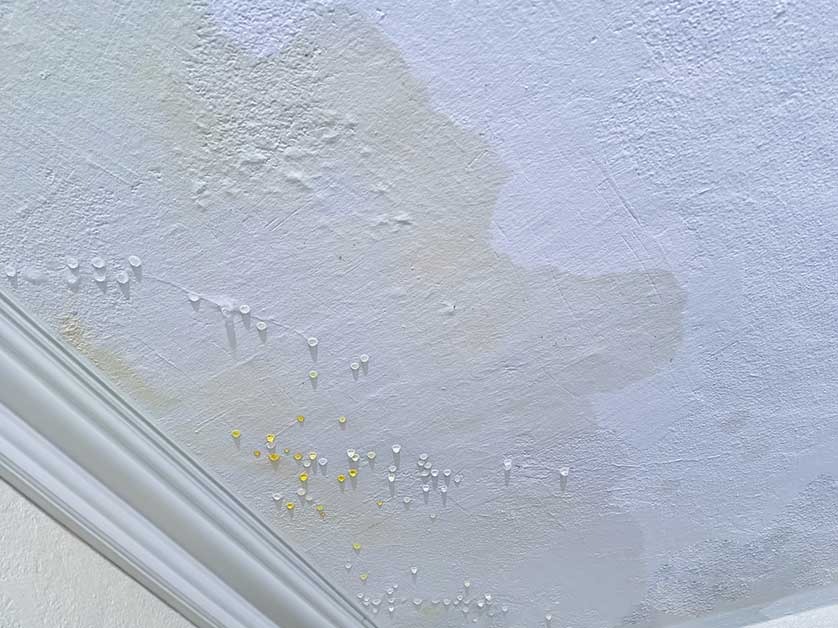
Recognizing the Signs: Roof Leak or Condensation?
The first step in solving moisture problems is correctly identifying the source. A roof leak is caused by breaches in your roofing system, often due to damaged shingles, deteriorated flashing, or improper installation. In contrast, condensation forms when warm, moist air comes into contact with cooler surfaces, which commonly occurs in poorly ventilated attics and interior spaces.
Common indicators of a roof leak include:
- Water stains that appear after rainstorms
- Dripping water from the ceiling or attic
- Damaged or missing roofing materials visible from the exterior
Signs of condensation may include:
- Dampness or water droplets on attic insulation or windows, especially in the morning
- Mold or mildew growth in corners or on surfaces, occurring consistently during damp seasons rather than only after rainfall
- No visible source of water entry on the roof itself
Why Homes in the Lower Mainland Struggle With These Issues
Frequent rainfall and fluctuating temperatures create ideal conditions for both roof leaks and condensation. Many homes are tightly sealed for energy efficiency, which can worsen condensation issues when ventilation is inadequate. This combination often leads homeowners to seek residential roofing assessments and roof repairs, especially during wetter months of the year.
Seasonal Factors: When Moisture Problems Increase
Although roof leaks can develop at any time of year, periods of heavy precipitation place additional stress on roofing systems. Indoor condensation also tends to increase during colder months, when windows remain closed and heating systems run continuously. Homeowners may notice damp attic spaces, fogged windows, or persistent moisture buildup. If water stains appear only after storms, the issue is more likely related to a roof leak. Persistent dampness regardless of weather conditions usually points to condensation.
For example, Crown Roofing LTD has recently handled several roof repair calls where homeowners reported ceiling stains following heavy rainfall, clearly indicating exterior water intrusion rather than condensation.
How to Address Each Problem
Addressing a roof leak requires professional inspection and repair. Certified roofing contractors evaluate shingle condition, flashing integrity, attic insulation, and other vulnerable areas, sometimes recommending residential roof replacement for aging or heavily damaged roofing systems.
If condensation is the issue, the focus shifts to improving ventilation and airflow. Solutions may include:
- Installing additional attic ventilation
- Using vapor barriers
- Upgrading exhaust fans in bathrooms and kitchens
In either case, prompt action helps prevent additional damage while reducing the risk of mold growth and structural deterioration.
When to Call a Professional
If you cannot determine the source of the moisture or if DIY efforts have not resolved the problem, contact a trusted roofing professional familiar with the region’s climate and construction practices. Crown Roofing LTD provides expert experience in both leak detection and condensation management, helping homeowners protect their properties from ongoing moisture-related issues.
Request an Assessment in Richmond, BC
Moisture problems can quickly become more serious if left unresolved, but accurate diagnosis and timely solutions can help protect your home from costly damage. If you are unsure whether your home is experiencing a roof leak or condensation issue, contact Crown Roofing LTD for a professional assessment and dependable service in Richmond, BC. Give us a call at (604) 370-6288 or fill out our contact form to get started.
